
7 Steps to Building Resiliency in Your Kids
‘Resiliency’ is a term that has been thrown around a lot lately. It’s an important trait to foster in our kids, but what does it really mean? According to Michael Ungar, author of Too Safe for Their Own Good and founder of the Resilience Research Centre, building resiliency means helping children develop seven key competencies: positive relationships with advocates and mentors; a sense of identity; control over their lives; fairness and justice; access to basic needs; cohesion, purpose or spirituality; and respect for their own culture as well as the cultures of others.
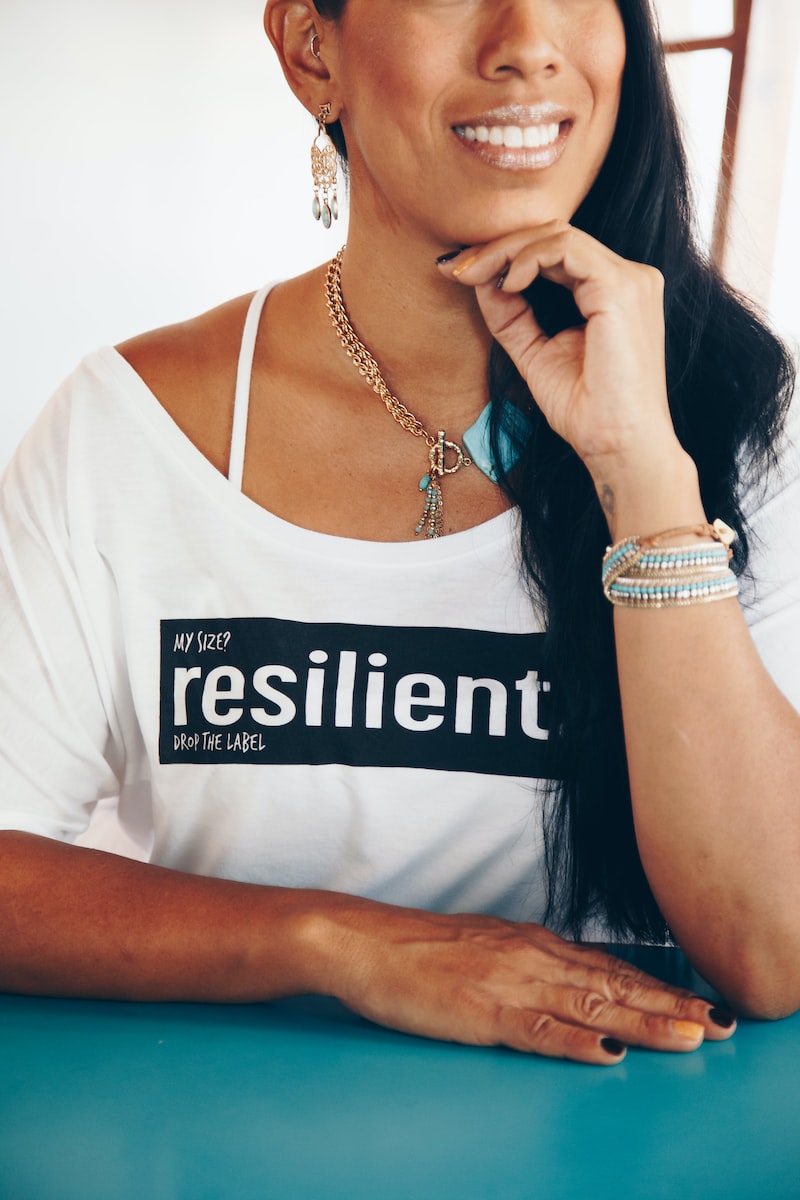
Side note: Maybe this is causing you to reflect on your own childhood or a difficult time that you have encountered. When impact hit my family, it certainly caused my husband and I to take inventory. He took it upon himself to deep dive into understanding and becoming more resilient when he took a weeklong, intensive course with Dr. Ungar. We took this information to forge ahead during an uncertain, stressful time. I believe this strengthened our overall resilience, our relationship and how we parented our kids. If you want to dive into this work for yourself- I recommend starting here with some of these free resources.
But how can moms put these big ideas into practical action?
1. Establish Positive Relationships
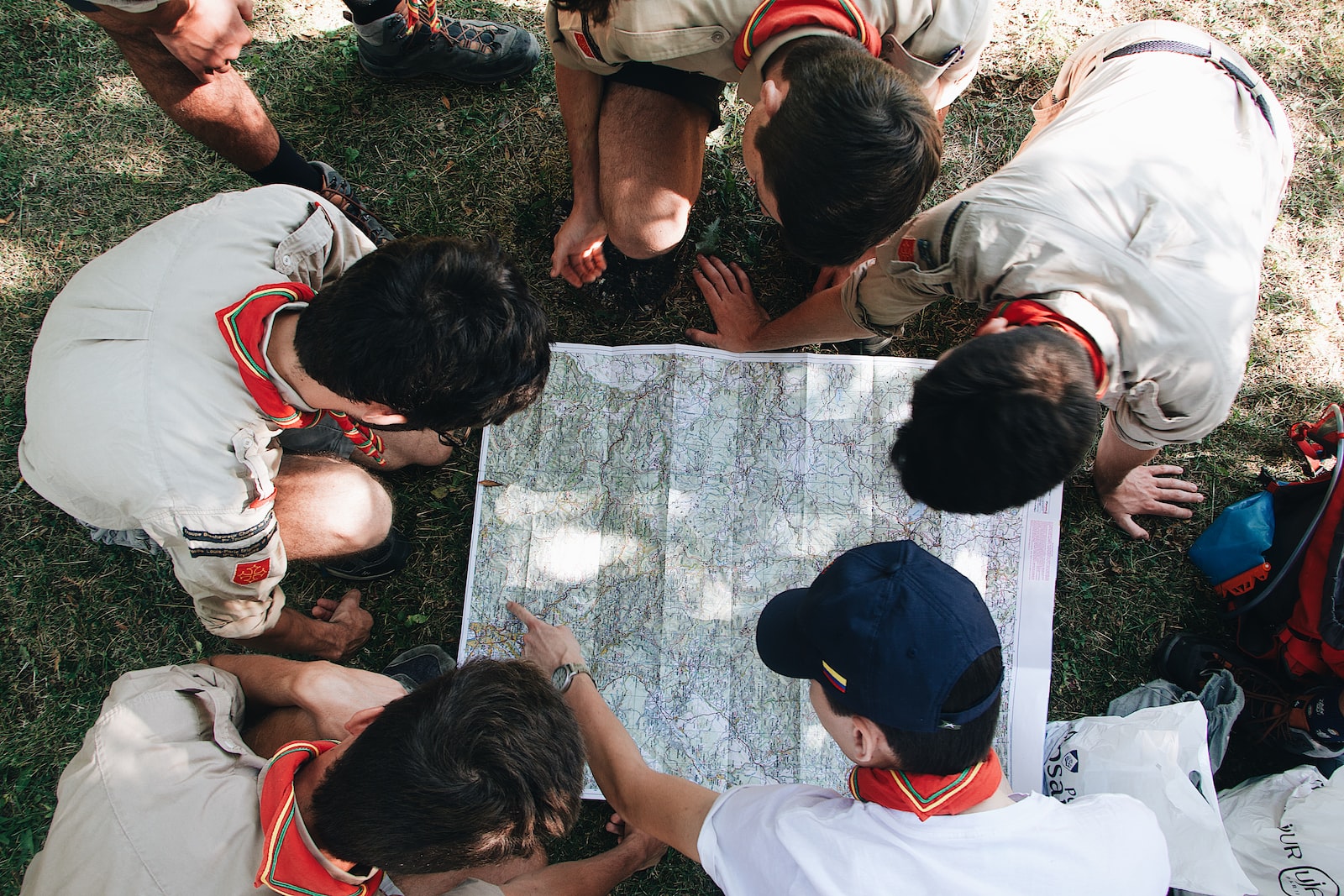
The first step in fostering resiliency is establishing positive relationships with your children’s mentors, advocates, or role models. Mentors are people—such as teachers, coaches, or religious leaders—who have specific knowledge or skills that your child can learn from them. Advocates may be family members or close friends who encourage your child and help him/her take risks and make decisions. Ultimately, you want your child to have meaningful connections with people who will help them build on their strengths and support them through challenging times.
2. Promote Self-Awareness
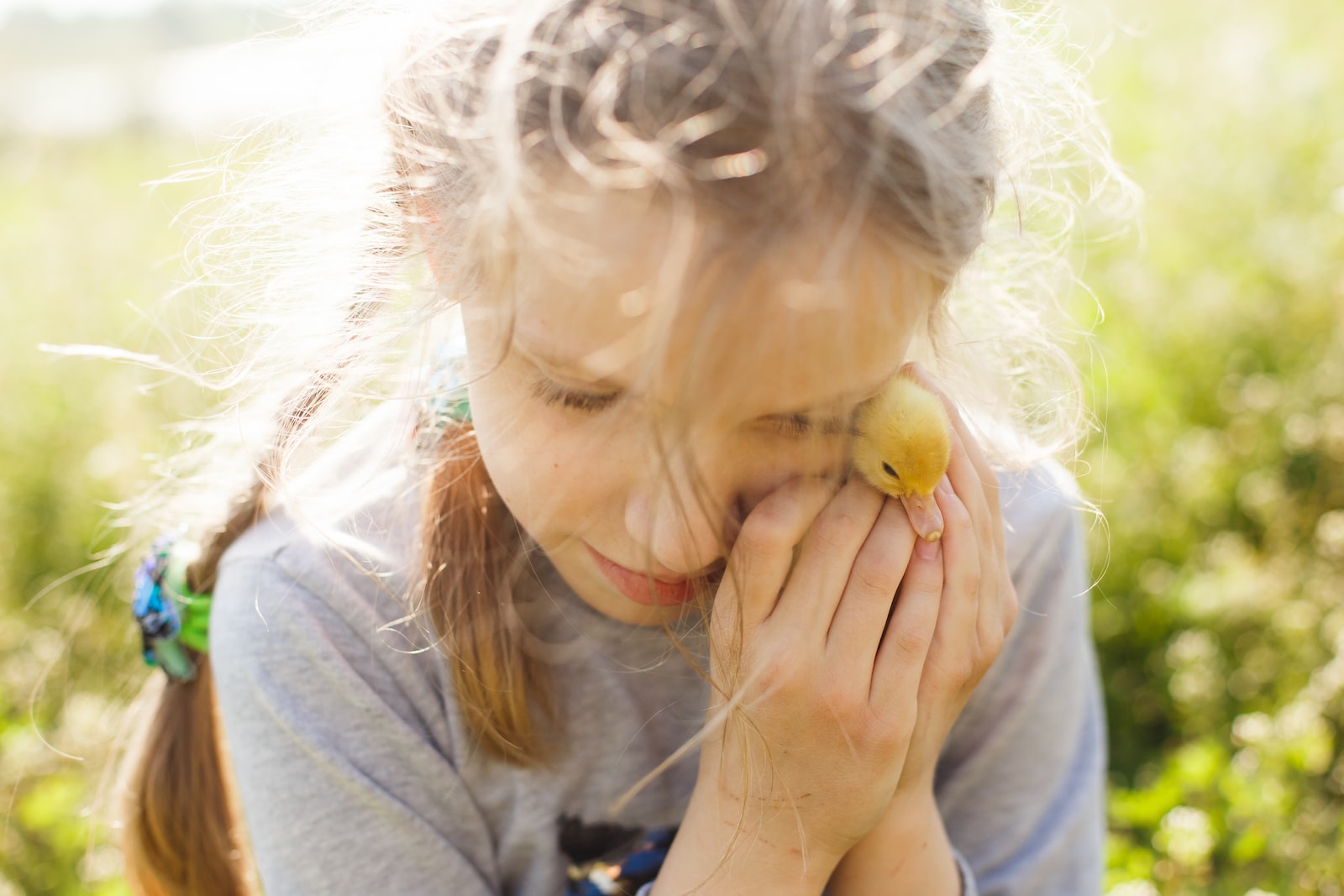
Encouraging self-awareness helps children develop a strong sense of identity. This means they understand their own ideas, values, interests, goals and potential paths moving forward in life. Encourage your child’s self-expression through activities like journaling or creative projects like drawing or painting. You can also help nurture self-awareness by asking open questions about your child’s thoughts on various topics such as schoolwork, interests or relationships with friends.
3. Provide Opportunities for Autonomy
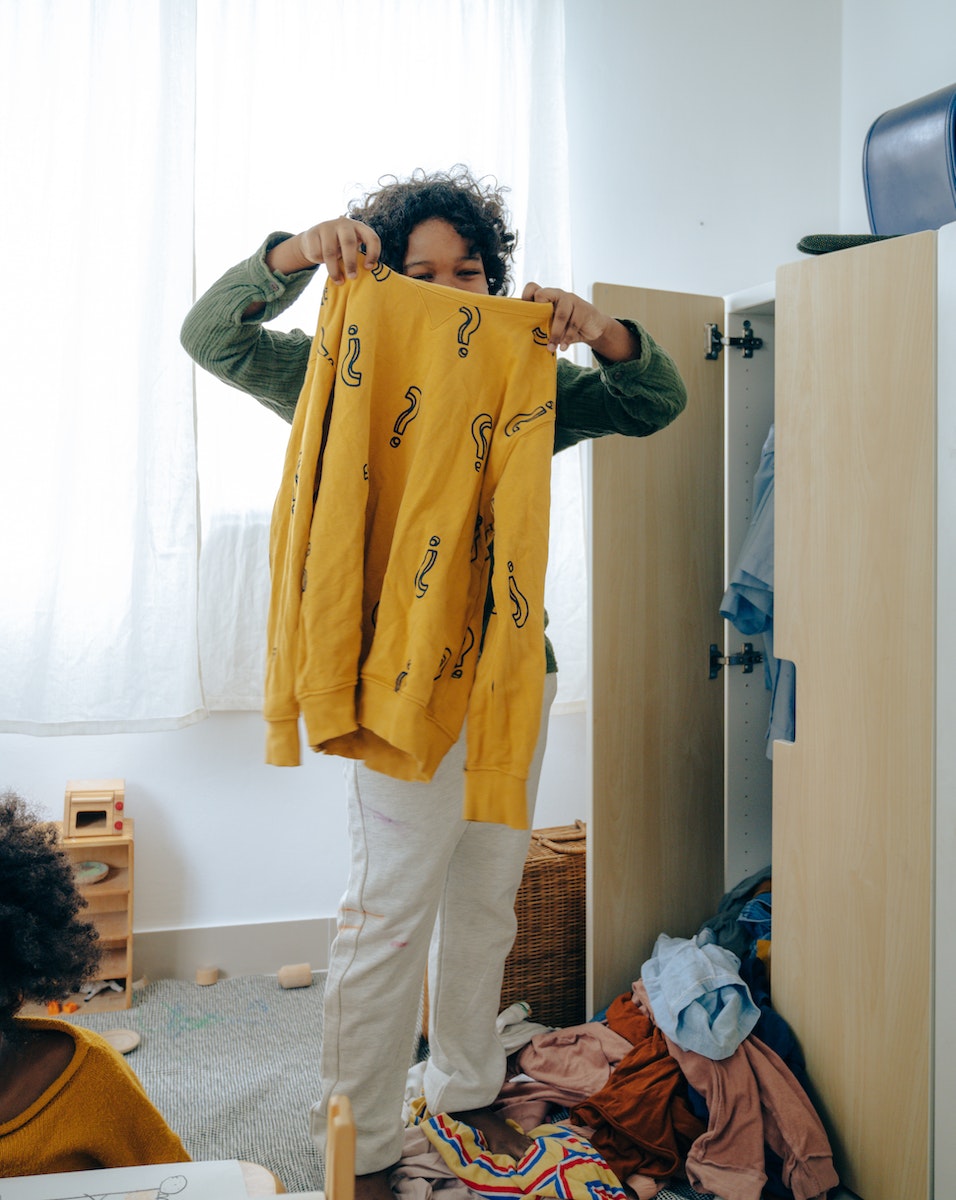
Allowing children autonomy gives them control over their lives which is essential for developing resilience. When possible give your children choices about things such as what clothes they want to wear or what activities they would like to do after school (within reason). Having some ownership over small decisions helps kids feel more capable when faced with bigger challenges down the line.
4. Model Fairness & Justice
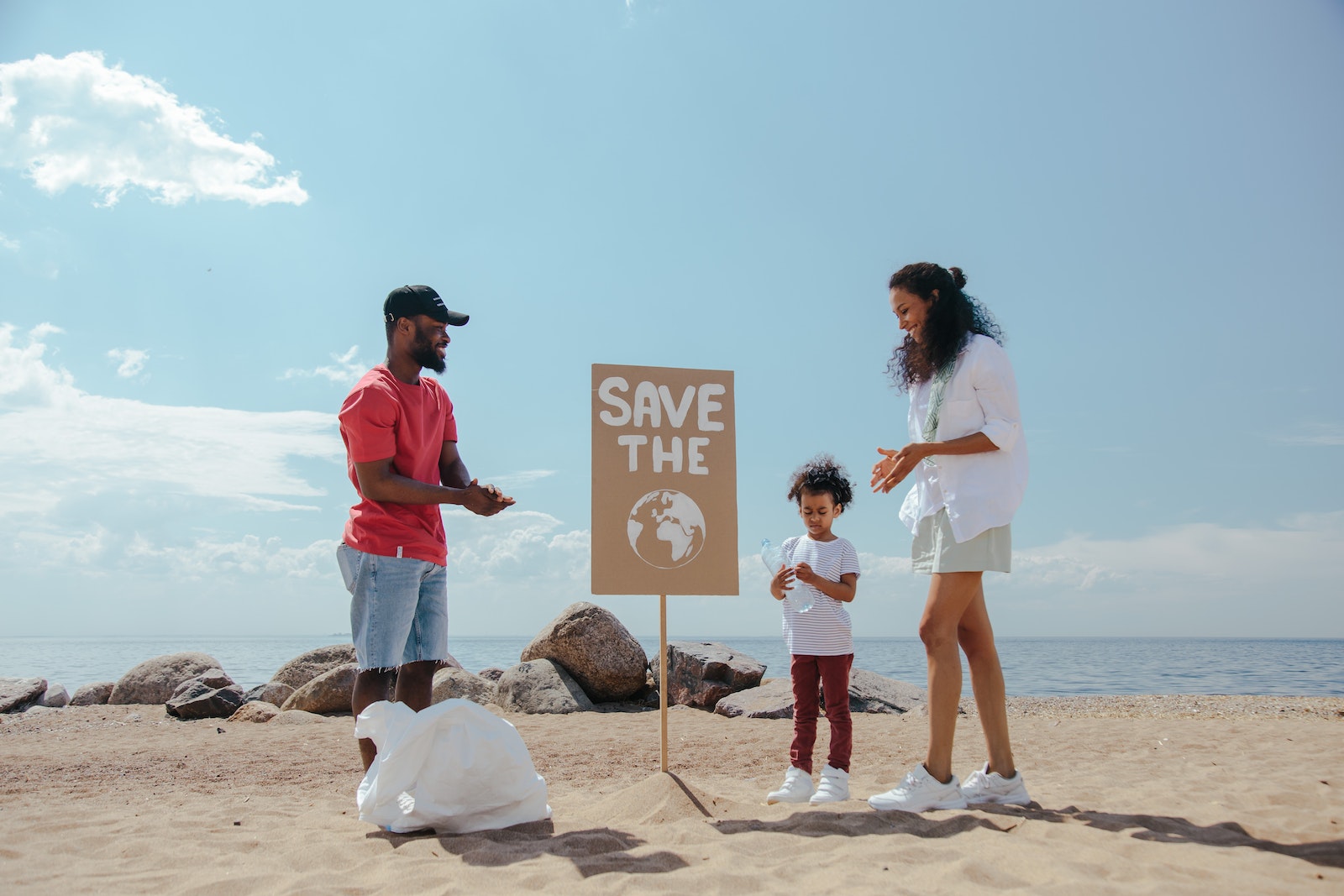
In order for children to understand fairness and justice they need adults who demonstrate these values in action on a daily basis. Model this behavior by treating everyone—including yourself—with kindness and respect while holding yourself accountable if you make mistakes along the way. Explain to your kids why it’s important not only to play fair but also advocate for those who can’t do so themselves—especially those without privilege such as social economic class or gender identity.
5. Ensure Access To Basic Needs

All too often we take basic necessities like food, shelter and healthcare access for granted but these are all essential components of resilience building too! Make sure that you have regular conversations with your children about the importance of having access to basic needs like good nutrition, safe housing and health care services when needed.
6. Find Meaningful Connections
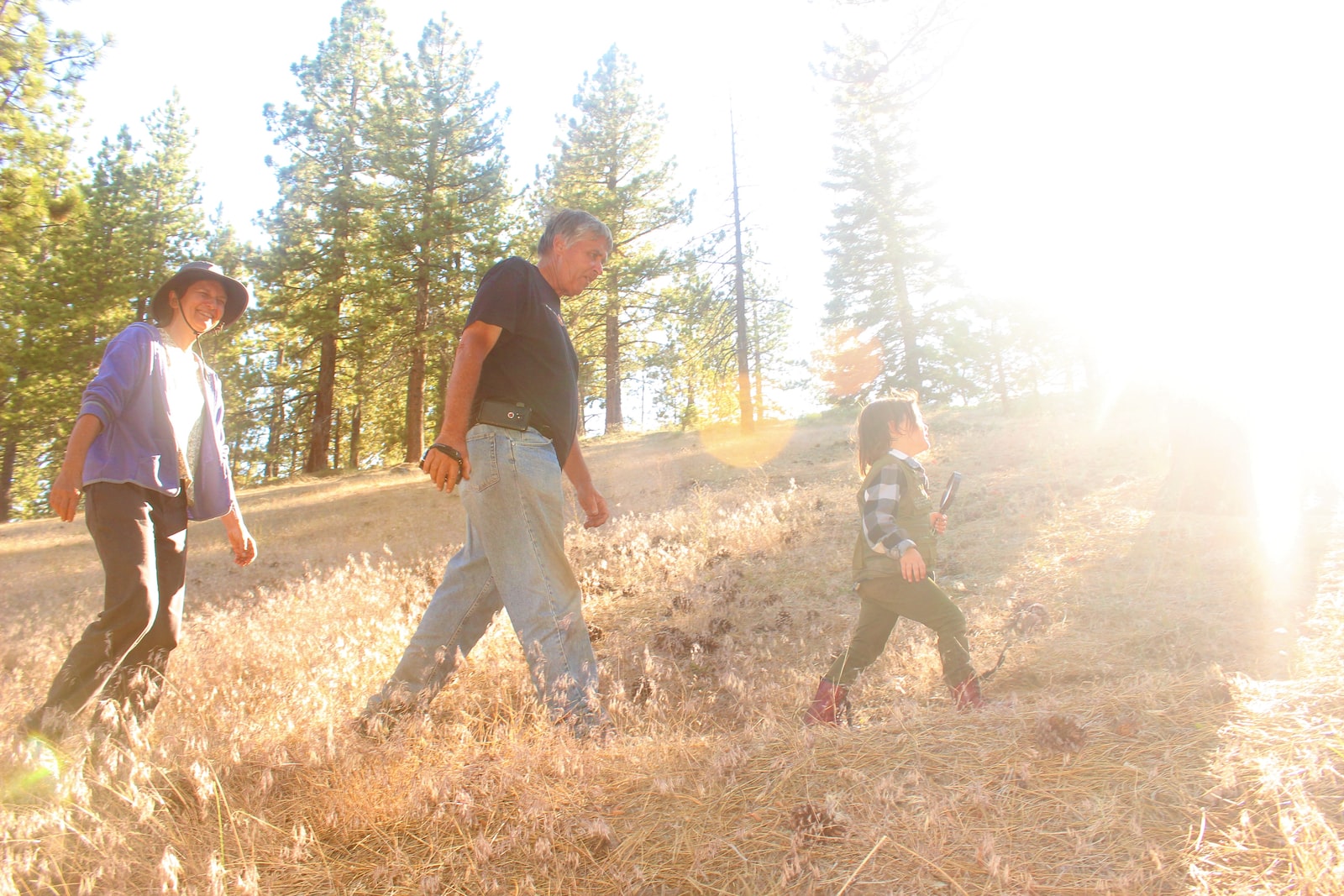
Cohesion comes from feeling connected both within ourselves as well as being part of something larger than ourselves such as our family unit or our community at large.. Spend time together doing activities that bring meaning into each day whether it’s going out into nature together on hikes or attending religious services together each week.
7. Teach Respect For All Cultures

Finally teach respect for all cultures by celebrating cultural differences whenever possible.. Read books featuring characters from diverse backgrounds so that kids learn about other people’s experiences without feeling othered themselves. Encourage participation in cultural events hosted by different ethnic groups in your city such as festivals celebrating Diwali or Chinese New Year so kids can learn more about other cultures firsthand!
Conclusion
Fostering resiliency isn’t always easy but it’s important work! These seven steps are just a guide but hopefully you now feel more equipped than ever before when it comes to developing resilience in your kiddos! As parents we have an incredible opportunity each day to nurture our little ones into strong autonomous individuals – let’s not miss out on this chance! Happy parenting!